Four lock emergencies, and what to do first in each
What to do first after a break-in, a smart-lock failure, a lost key ring or a locked safe, and what to ask the locksmith.
Read the articleWashington, DC locksmith
You got the keys at closing, or from the property manager. So did a lot of other people, over the years. Rekeying is the cheap way to make sure your keys are the only ones that work.
01 Contents
Think about the life of a house key in the District. The previous owner had a set. So did their partner, their dog walker, the neighbor who watered plants in August, and the cleaner who came on Thursdays. If the place was a rental, multiply that by every tenant. Then add the agents, the inspector, the contractor who redid the kitchen, and whoever held the lockbox code during showings.
None of these people mean you harm. Probably. But you can't recall keys you don't know exist, and copies are cheap. The only way to be sure is to change what the key has to fit.
In a rowhouse with an English basement the count goes up again: the basement unit has its own entrance, and it may have been let to a string of tenants. A rear door onto the alley is easy to forget, and so is the garage.
Inside a pin-tumbler cylinder sit small spring-loaded pins of different lengths. The right key lifts each pin to exactly the right height and the cylinder turns. Rekeying means swapping those pins for a new set, so the old key no longer lines them up and a new key does. The lock body, the handle and the deadbolt stay where they are.
That is why it usually costs much less than replacing hardware. You pay for labor and pins, not for new locks. If several doors use the same brand of cylinder, they can often be rekeyed to share one key, which a lot of people like after juggling three or four.
See the price list for the published starting price for a rekey. The full price depends on the number of locks and their type, and it is agreed before work starts.
Rekeying assumes the locks are worth keeping. Sometimes they aren't. Replace when:
On older DC houses with original mortise locks, ask about servicing before replacing. A mortise lock that drags can often be cleaned and repinned, and the door stays uncut. Our residential locksmith page covers more of these older-house quirks.
If you rent, your lease probably says the landlord must have a key, and may say you can't change locks without permission. Ask in writing. Many landlords are happy to have the unit rekeyed between tenants, and some will pay for it, because it protects them too.
If you get the go-ahead, give the landlord a copy of the new key and keep a note of the date. In a managed building, the office may want to arrange the work itself.
The right moment to rekey is before the boxes are unpacked, while you still remember which doors you have. Make a list: front, back, basement, garage, gate, mailbox. Call, describe the locks, and ask for a quote that covers all of them.
The move-in special coupon exists for exactly this. Mention it when you call. If you've just moved to Petworth or Capitol Hill NE, those neighborhood pages describe the locks you are likely to find.
It is as secure as the lock itself. Rekeying stops old keys working; it doesn't upgrade a weak lock. If the lock is poor, replace it.
Rekeying kits exist for some brands, but it takes care and the right pins. Most people find it simpler to have a locksmith do every door at once.
Yes. Builders, subcontractors and agents may all have handled the keys during construction and sale.
What to do first after a break-in, a smart-lock failure, a lost key ring or a locked safe, and what to ask the locksmith.
Read the article
Why locksmith slogans mean little, five things worth checking before work starts, and the warning signs that should make you pause.
Read the article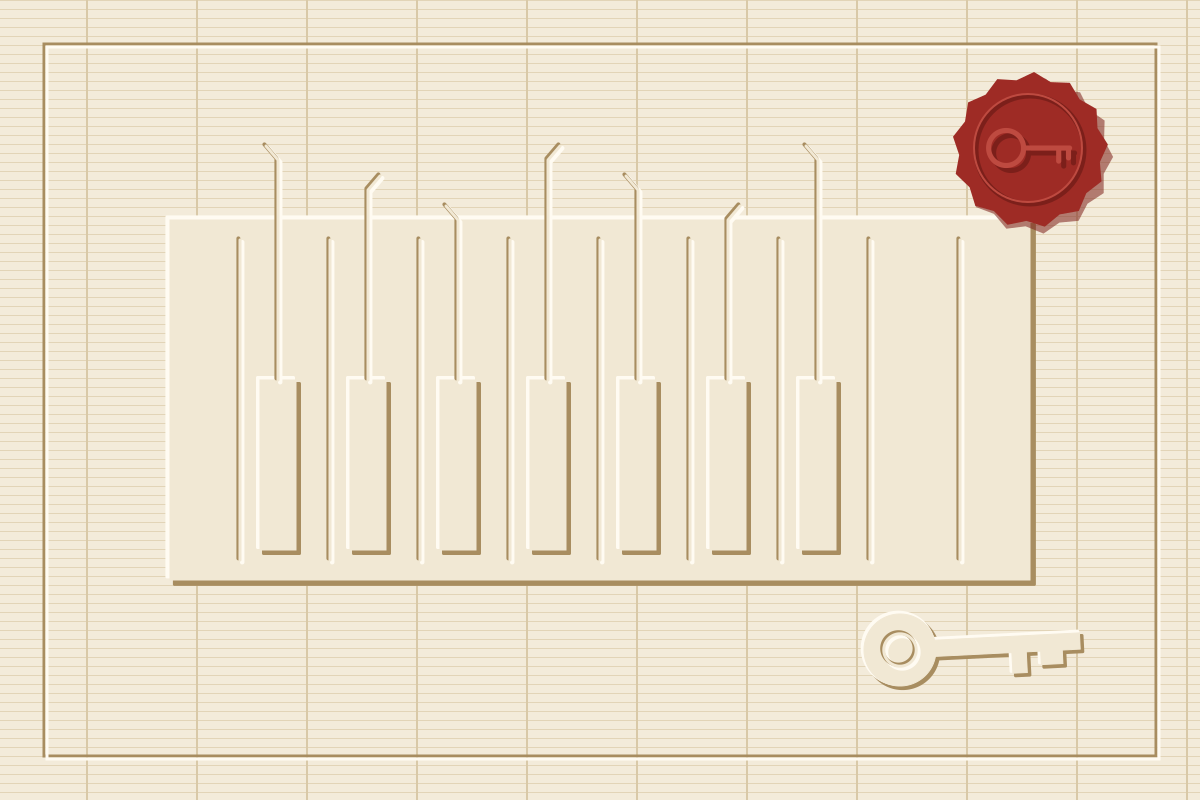
The common urgent calls, what a locksmith does on arrival, why ID is checked, and how pricing works out of hours.
Read the article